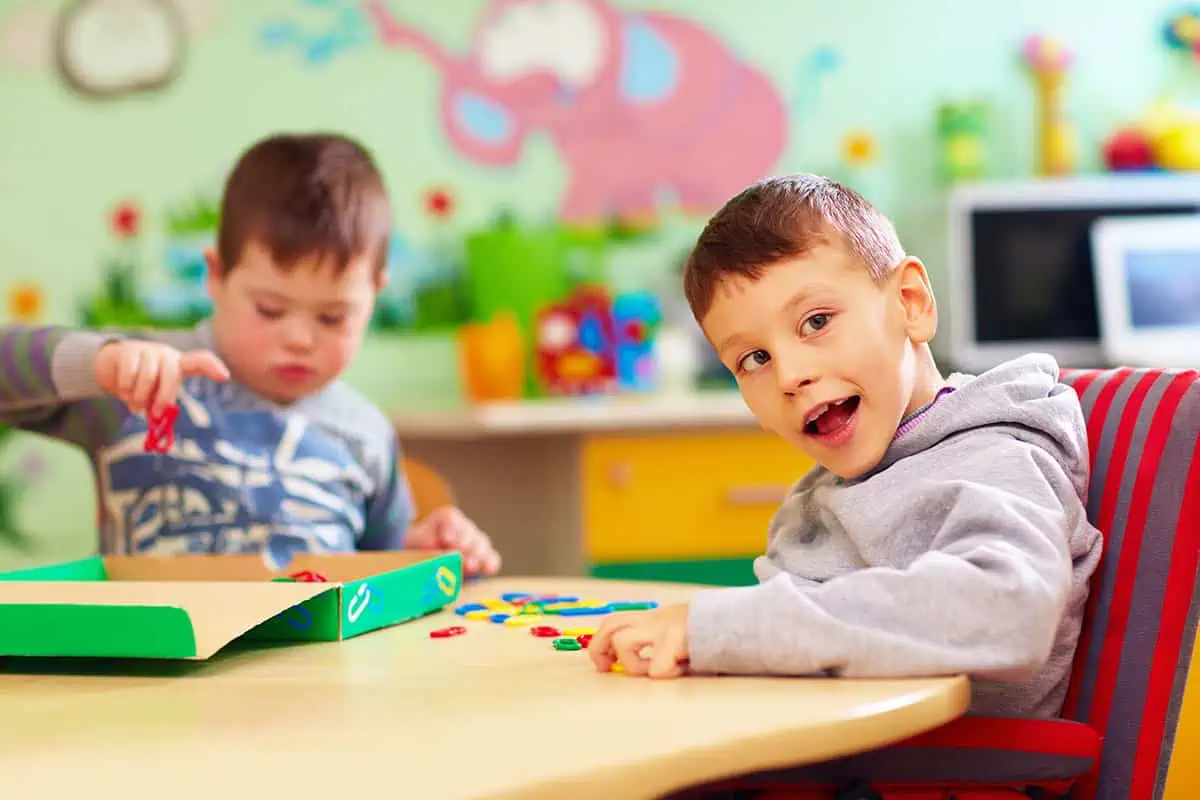
How ABA Social Skills Training Works
Developing social skills is one of the most common goals families bring to ABA therapy. In ABA social skills training at TEAM Behavioral Consultants, a Board Certified Behavior Analyst (BCBA) builds social skills into your child’s individualized treatment plan and teaches them where they are actually used — at home, in the community, at our centers and with peers.
Social skills are taught step by step, like any other skill in ABA. The BCBA identifies a specific skill, breaks it into teachable parts, practices it through play and real situations, and measures progress until your child can use it with different people and in different places.
Children don’t all socialize in the same way, and they shouldn’t have to. We focus on the skills that help your child take part, be understood and enjoy being with others.

Social Skills We Teach
- Social play — joining play, taking turns, sharing and cooperative games
- Social communication — greetings, requests, comments, and starting and keeping a conversation
- Reading social cues — noticing what others are doing, saying and feeling
- Flexibility — handling losing, accepting another person's idea and resolving disagreements
- Group participation — following group directions, waiting and taking part in activities
- Friendship skills — finding shared interests, and developing and maintaining friendships
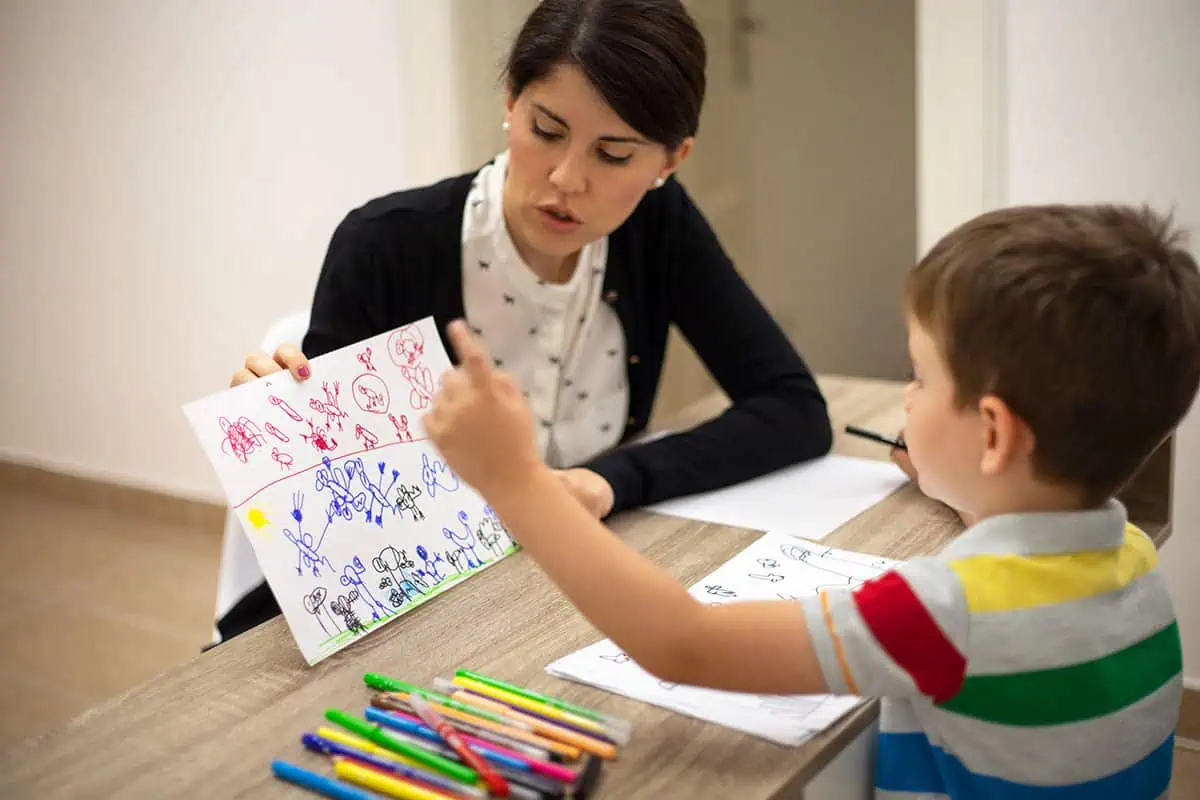
Social Skills in Everyday Settings
A social skill only counts if your child can use it in real life. That is why we teach and practice social skills in the settings where your family actually spends time:
- Playgrounds & public recreation — joining in at parks, playgrounds and community centers.
- Family gatherings — taking part comfortably in holidays and family events.
- Time with peers — play dates, birthday parties and other get-togethers.
- Shopping & errands — navigating stores, making choices and waiting in line.
- Car rides & transportation — getting through car trips and public transportation with ease.
- Community activities — clubs, classes and neighborhood events.
- Positive participation — reinforcing the skills that help your child be a valued part of every setting.
ABA Therapy or a Social Skills Group?
Both build social skills, in different ways. Many children benefit from individualized ABA first; others are ready to practice with a small group of peers.
Swipe the table to compare →
 |
Social Skills in ABA Therapy | Kidz Connect Groups |
|---|---|---|
| Format | One-on-one therapy, with peer opportunities at our centers | Small drop-off groups of peers |
| Who it's for | Children and adolescents receiving ABA therapy | Children ages 3–10, placed by age and readiness |
| Goals | Individualized, measurable goals in a BCBA treatment plan | Practicing play, conversation and friendship skills together |
| Where | At home, at our Flanders or Augusta center, and in the community | Flanders (Augusta coming soon) |
| Diagnosis | Generally required for insurance funding | Not required |
| Payment | Works with a range of insurance plans | Session-based pricing; insurance may apply in some cases |
| How to start | Contact our team | Complete the intake form |
Not sure which fits? Your child’s BCBA can recommend a setting based on their assessment, or talk with our team.
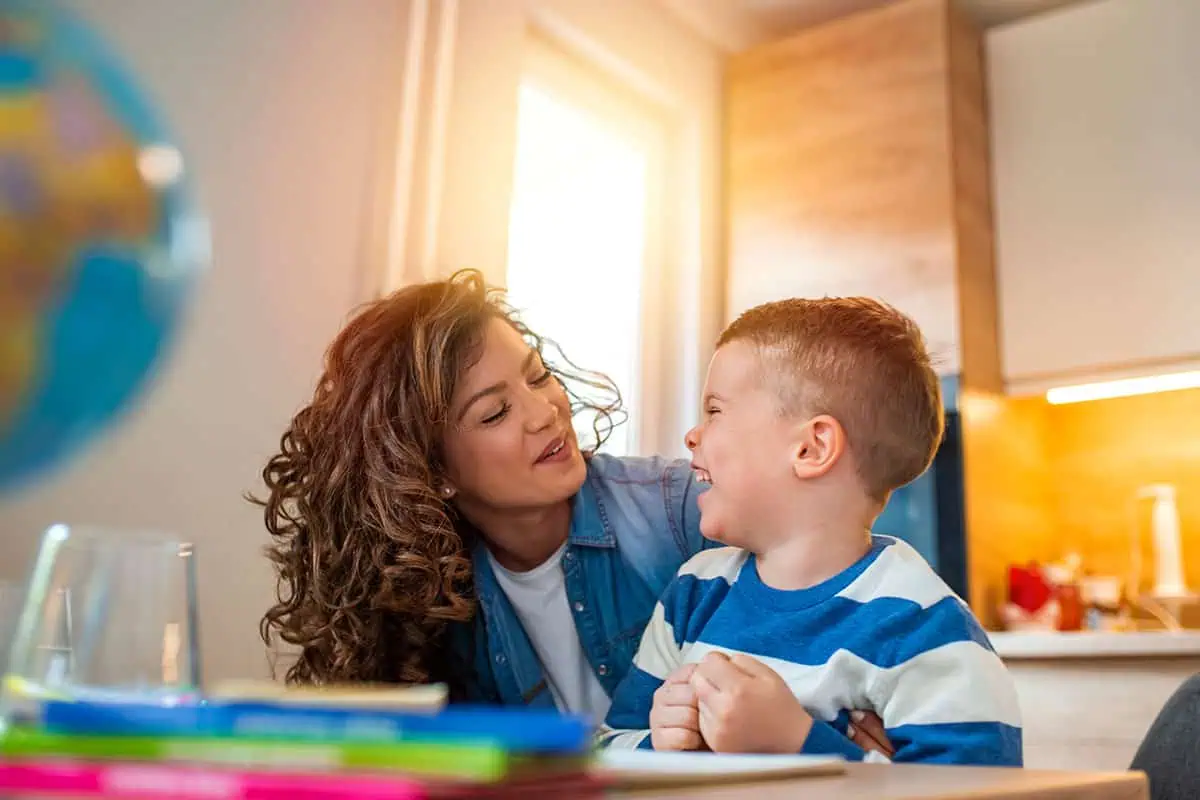
Parents Are Part of the Plan
Social skills grow fastest when they are practiced across the whole day. Your child’s BCBA shares simple strategies you can use during everyday routines — family meals, sibling play, outings and play dates — so new skills don’t stay in the therapy session.
With your permission, we can also coordinate with your child’s school team, so the social goals your child is working on at home and in therapy line up with what happens in the classroom. Learn about school support.
Questions About Social Skills
Can ABA therapy help with social skills?
Yes. Social skills are one of the most common goals in ABA therapy. A BCBA breaks each skill into teachable steps, practices it through play and real situations, and measures progress until your child can use the skill with different people and in different settings.
What social skills does ABA teach?
It depends on your child. Common goals include joining play, taking turns and sharing; greetings, requests and conversation; noticing social cues; handling losing and accepting other people's ideas; taking part in groups; and developing friendships.
What is the difference between ABA therapy and a social skills group?
ABA therapy is individualized: your child works one-on-one toward measurable goals in a BCBA treatment plan, with peer opportunities at our centers. A social skills group, like Kidz Connect, gives children ages 3–10 a small group of peers to practice with. Kidz Connect does not require a diagnosis, and insurance may cover it in some cases.
Does my child need a diagnosis for social skills support?
For social skills goals within insurance-funded ABA therapy, a diagnosis is generally required. Kidz Connect social skills groups do not require a diagnosis and welcome both neurodivergent and neurotypical children.
How can parents help build social skills at home?
Practice during routines that already happen: taking turns at family meals, sharing during sibling play, greeting people on outings. Your child's BCBA will suggest specific strategies that match your child's goals and fit your family's day.
Helpful Resources for Families
Kidz Connect Social Skills GroupsSmall groups for ages 3–10
Kidz Connect FAQGroups, readiness, enrollment and more
Center-Based ABA Therapy1:1 therapy with peers nearby
In-Home ABA TherapySocial skills at home and in the community
What Is ABA Therapy?The fundamentals, explained for parents
Contact TEAMStart a conversation with our team
Talk With Our Team
Have a question about your child, or wondering whether ABA therapy is the right fit?
Share a few details and someone from our team will reach out to talk it through with you.
Insurance Plans We Work With
We work with the plans below for in-home and center-based ABA therapy. Coverage varies by plan — see insurance details. Ask us about coverage for Kidz Connect.